













Products
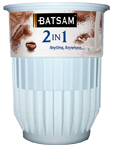
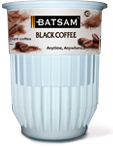
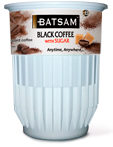
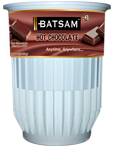
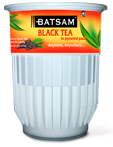
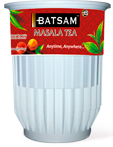
BATSAM brand is revolutionizing the instant
Beverages market by introducing its instant coffee & Tea in cups. No need for an experienced
barista, now anyone can enjoy a great tasting instant Beverages in BATSAM Cups Anytime,
Anywhere.











Coffee benefits
Coffee is actually very healthy. It is loaded
with antioxidants and beneficial nutrients that can improve your health. The studies show that
coffee drinkers have a much lower risk of several serious diseases. Here are the top
evidence-based health benefits of coffee, which have been confirmed in actual human studies.

Coffee can help people feel less tired and increase energy
levels.
This is because it contains a stimulant called caffeine, which is actually the most commonly consumed psychoactive substance in the world.
After you drink coffee, the caffeine is absorbed into the bloodstream. From there, it travels into the brain.
In the brain, caffeine blocks an inhibitory neurotransmitter called Adenosine.
When that happens, the amount of other neurotransmitters like norepinephrine and dopamine actually increases, leading to enhanced firing of neurons.
Many controlled trials in humans show that coffee improves various aspects of brain function. This includes memory, mood, vigilance, energy levels, reaction times and general cognitive function.
This is because it contains a stimulant called caffeine, which is actually the most commonly consumed psychoactive substance in the world.
After you drink coffee, the caffeine is absorbed into the bloodstream. From there, it travels into the brain.
In the brain, caffeine blocks an inhibitory neurotransmitter called Adenosine.
When that happens, the amount of other neurotransmitters like norepinephrine and dopamine actually increases, leading to enhanced firing of neurons.
Many controlled trials in humans show that coffee improves various aspects of brain function. This includes memory, mood, vigilance, energy levels, reaction times and general cognitive function.
to read more
Did you know that caffeine is found in almost every
commercial fat burning supplement?
There's a good reason for that… caffeine is one of the very few natural substances that have actually been proven to aid fat burning.
Several studies show that caffeine can boost the metabolic rate by 3-11%.
Other studies show that caffeine can specifically increase the burning of fat, by as much as 10% in obese individuals and 29% in lean people.
However, it is possible that these effects will diminish in long-term coffee drinkers.
There's a good reason for that… caffeine is one of the very few natural substances that have actually been proven to aid fat burning.
Several studies show that caffeine can boost the metabolic rate by 3-11%.
Other studies show that caffeine can specifically increase the burning of fat, by as much as 10% in obese individuals and 29% in lean people.
However, it is possible that these effects will diminish in long-term coffee drinkers.
Caffeine stimulates the nervous system, causing it to send
signals to the fat cells to break down body fat.
But caffeine also increases Epinephrine (Adrenaline) levels in the blood.
This is the "fight or flight" hormone, designed to make our bodies ready for intense physical exertion.
Caffeine makes the fat cells break down body fat, releasing them into the blood as free fatty acids and making them available as fuel.
Given these effects, it is not surprising to see that caffeine can improve physical performance by 11-12%, on average.
Because of this, it makes sense to have a strong cup of coffee about a half an hour before you head to the gym.
But caffeine also increases Epinephrine (Adrenaline) levels in the blood.
This is the "fight or flight" hormone, designed to make our bodies ready for intense physical exertion.
Caffeine makes the fat cells break down body fat, releasing them into the blood as free fatty acids and making them available as fuel.
Given these effects, it is not surprising to see that caffeine can improve physical performance by 11-12%, on average.
Because of this, it makes sense to have a strong cup of coffee about a half an hour before you head to the gym.


Coffee is more than just black water. Many of the nutrients
in the coffee beans do make it into the final drink.
A single cup of coffee contains:
• Riboflavin (Vitamin B2): 11% of the RDA.
• Pantothenic Acid (Vitamin B5): 6% of the RDA.
• Manganese and Potassium: 3% of the RDA.
• Magnesium and Niacin (B3): 2% of the RDA.
Although this may not seem like a big deal, most people are drinking more than one cup per day. If you drink 3-4, then these amounts quickly add up.
A single cup of coffee contains:
• Riboflavin (Vitamin B2): 11% of the RDA.
• Pantothenic Acid (Vitamin B5): 6% of the RDA.
• Manganese and Potassium: 3% of the RDA.
• Magnesium and Niacin (B3): 2% of the RDA.
Although this may not seem like a big deal, most people are drinking more than one cup per day. If you drink 3-4, then these amounts quickly add up.
press
Type 2 diabetes is a gigantic health problem, currently
afflicting about 300 million people worldwide.
It is characterized by elevated blood sugars in the context of insulin resistance or an inability to secrete insulin.
For some reason, coffee drinkers have a significantly reduced risk of developing type 2 diabetes.
The studies show that people who drink the most coffee have a 23-50% lower risk of getting this disease, one study showing a reduction as high as 67%.
According to a massive review that looked at data from 18 studies with a total of 457,922 individuals, each daily cup of coffee was associated with a 7% reduced risk of developing type 2 diabetes.
It is characterized by elevated blood sugars in the context of insulin resistance or an inability to secrete insulin.
For some reason, coffee drinkers have a significantly reduced risk of developing type 2 diabetes.
The studies show that people who drink the most coffee have a 23-50% lower risk of getting this disease, one study showing a reduction as high as 67%.
According to a massive review that looked at data from 18 studies with a total of 457,922 individuals, each daily cup of coffee was associated with a 7% reduced risk of developing type 2 diabetes.
Alzheimer's disease is the most common neurodegenerative
disease and the leading cause of dementia worldwide.
This disease usually affects people over 65 years of age.
Unfortunately, there is no known cure for Alzheimer's.
However, there are several things you can do to prevent the disease from showing up in the first place.
This includes the usual suspects like eating healthy and exercising, but drinking coffee may be incredibly effective as well.
Several studies show that coffee drinkers have up to a 65% lower risk of getting Alzheimer's disease.
This disease usually affects people over 65 years of age.
Unfortunately, there is no known cure for Alzheimer's.
However, there are several things you can do to prevent the disease from showing up in the first place.
This includes the usual suspects like eating healthy and exercising, but drinking coffee may be incredibly effective as well.
Several studies show that coffee drinkers have up to a 65% lower risk of getting Alzheimer's disease.
Parkinson's disease is the second most common
neurodegenerative disease, right after Alzheimer's.
It is caused by death of dopamine-generating neurons in the brain.
Same as with Alzheimer's, there is no known cure, which makes it that much more important to focus on prevention.
In studies, coffee drinkers have a much lower risk of developing Parkinson's disease, with a reduction in risk ranging from 32-60%.
In this case, it appears to be the caffeine itself that is causing the effect. People who drink decaf don't have a lower risk of Parkinson's.
It is caused by death of dopamine-generating neurons in the brain.
Same as with Alzheimer's, there is no known cure, which makes it that much more important to focus on prevention.
In studies, coffee drinkers have a much lower risk of developing Parkinson's disease, with a reduction in risk ranging from 32-60%.
In this case, it appears to be the caffeine itself that is causing the effect. People who drink decaf don't have a lower risk of Parkinson's.
Depression is a serious mental disorder that causes a
significantly reduced quality of life.
It is incredibly common and about 4.1% of people in the U.S. currently meet the criteria for clinical depression.
In a Harvard study published in 2011, women who drank 4 or more cups per day had a 20% lower risk of becoming depressed.
Another study with 208,424 individuals found that those who drank 4 or more cups per day were 53% less likely to commit suicide.
It is incredibly common and about 4.1% of people in the U.S. currently meet the criteria for clinical depression.
In a Harvard study published in 2011, women who drank 4 or more cups per day had a 20% lower risk of becoming depressed.
Another study with 208,424 individuals found that those who drank 4 or more cups per day were 53% less likely to commit suicide.
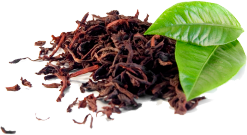
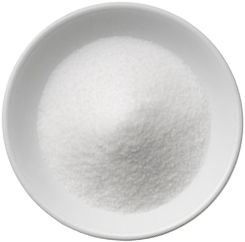
In Batsam we use only premium ingredients

You only need to add water and enjoy the rich
taste of the drink!



Enjoy a great tasting instant Beverages
Аnytime, Anywhere!
Аnytime, Anywhere!
Coffee May Lower Your Risk of Type II Diabetes
Coffee May Protect You From Alzheimer's Disease
and Dementia
Caffeine May Lower The Risk of Parkinson's
Coffee Can Fight Depression and Make You Happier
Coffee Can Improve Energy Levels and Make You
Smarter
Coffee Can Help You Burn Fat
The Caffeine Can Drastically Improve Physical
Performance
There Are Essential Nutrients in Coffee




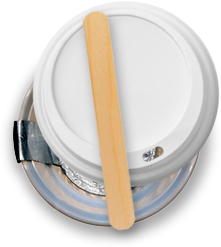
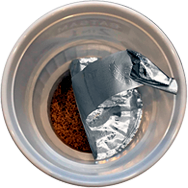
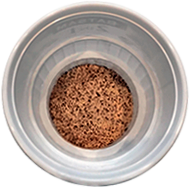


Remove the lid
and protective foil
and protective foil
Take your drink
and open the lid
and open the lid
Add hot water
into cup and mix
into cup and mix
Enjoy the rich
taste of the drink!
taste of the drink!
Contact us